
Affiliate Disclosure
Some links on this website are affiliate links.
That means if you click and buy something, I may earn a small commission — at no extra cost to you.
I only recommend things I actually use, love, or would happily hand to a friend while saying, “Trust me.”
Affiliate income helps keep this blog running, the chickens fed, and the espresso flowing ☕🐓
You are never obligated to buy anything through these links — but if you do, grazie mille for supporting this chaotic corner of the internet.
The Best Tomato Fertilizer Ratio for Big, Juicy Italian-Style Tomatoes
The Best Tomato Fertilizer Ratio for Big, Juicy Italian-Style Tomatoes
If you want tomatoes that taste like they were hand-blessed by Nonna herself, the fertilizer ratio matters more than you think. Most gardeners just throw “tomato feed” at their plants and pray — and then wonder why they get leaves the size of Sicily but only three sad tomatoes. In this guide, you’ll learn the exact fertilizer N-P-K ratio Italian growers use for massive, juicy, flavour-packed tomatoes. No drama. No guesswork. Just proper tomato magic.
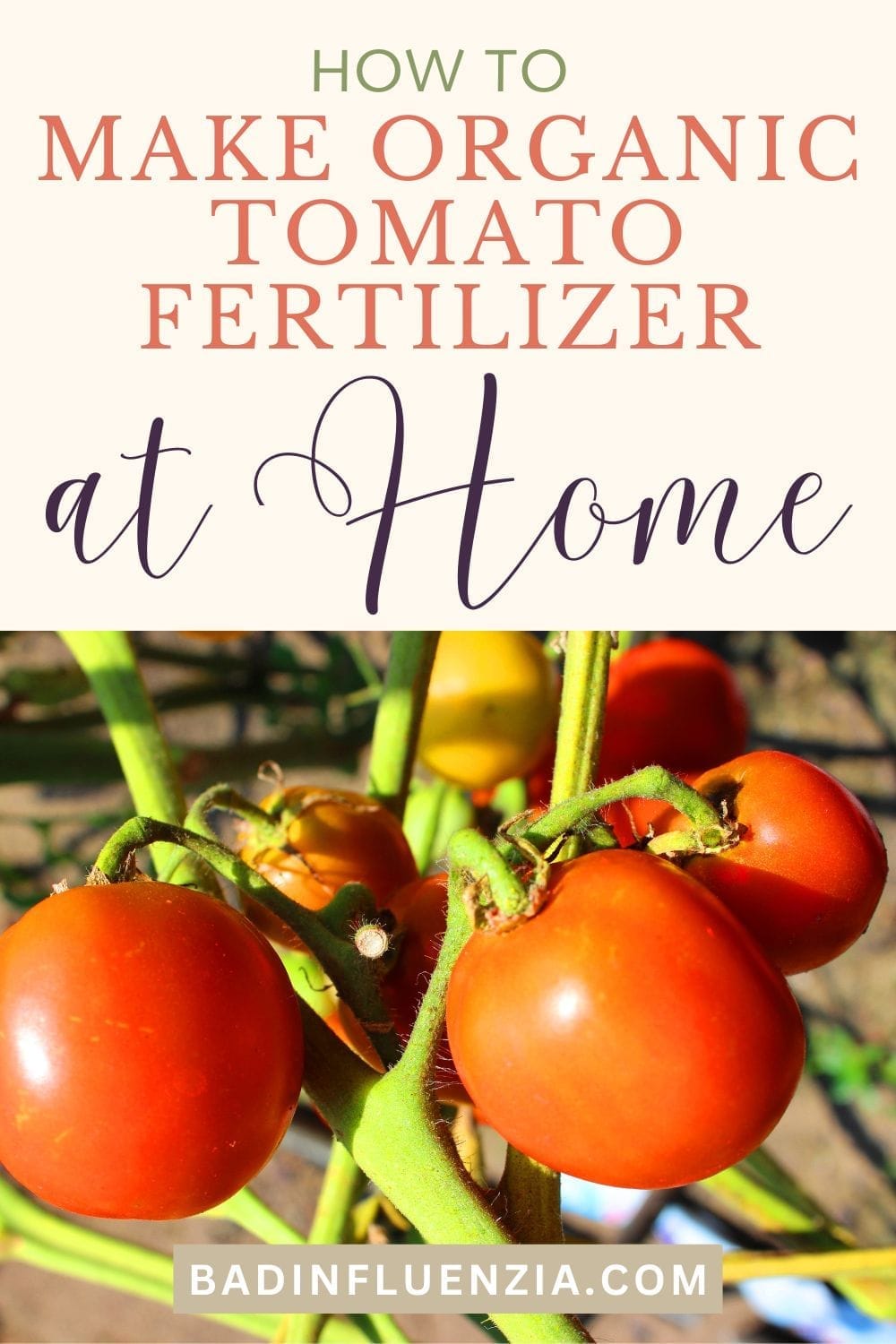
Quick Answer: What’s the Best Tomato Fertilizer Ratio?
For big, juicy tomatoes, the best fertilizer ratio is 5-10-10 or any mix lower in nitrogen and higher in phosphorus and potassium. Too much nitrogen = all leaves, no tomatoes. A balanced or low-nitrogen, high-P & K formula helps flowering, fruiting, and flavour.
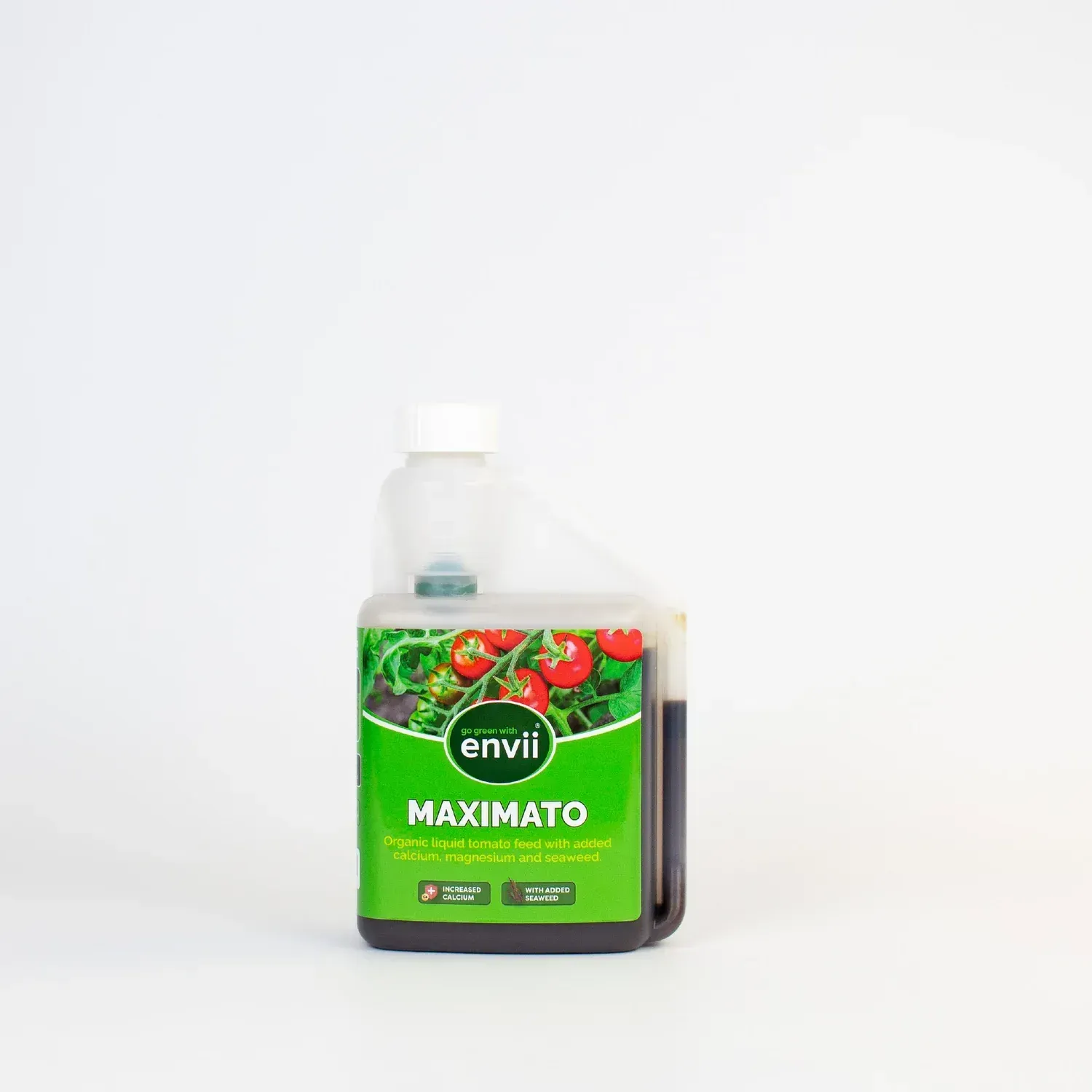
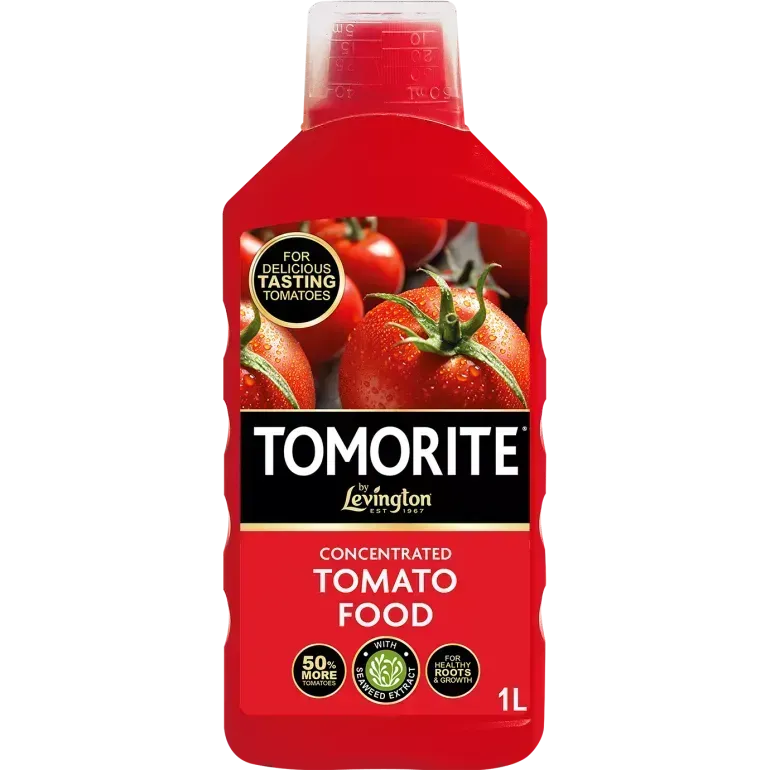
Levington Tomorite is a concentrated liquid tomato feed rich in potassium, ideal for boosting flowering, fruiting, and flavour. Perfect for greenhouse, outdoor, and container tomatoes needing reliable, consistent feeding.
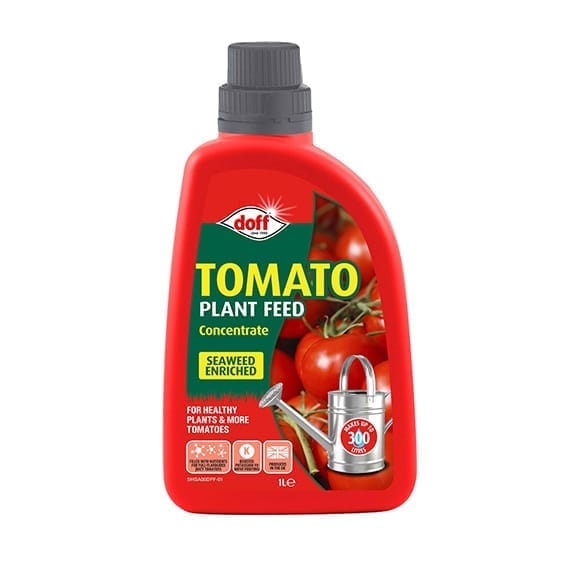
Doff Tomato Pour & Feed is a ready-to-use liquid fertiliser that supports strong growth, better fruit development, and higher yields. Ideal for quick, consistent feeding of greenhouse, patio, and outdoor tomatoes.
Why Fertilizer Ratios Matter for Tomato Size & Flavour
Tomatoes are divas. They want sun, warmth, good soil… and the right nutrients delivered at the right time. When people say, “My tomato plants look great but produce nothing!” — it’s almost always a nutrient imbalance.
Here's the breakdown:
Nitrogen (N) = foliage growth
Phosphorus (P) = flowers + fruit development
Potassium (K) = flavour, disease resistance, fruit quality
If you pump your tomatoes full of nitrogen, congratulations: you've grown a gorgeous hedge. But a salad? No.
The Best Tomato Fertilizer Ratio: 5-10-10 (Nonna-Approved)
Italian growers swear by 5-10-10 — because it delivers exactly what fruiting tomatoes need:
✔ Enough nitrogen to stay alive
✔ Extra phosphorus for flowering
✔ High potassium to build sweetness and flavour
If you can’t find 5-10-10, look for any ratio close to:
4-6-8
3-4-6
8-16-16 (stronger version — use sparingly)
These all keep nitrogen low while boosting fruiting nutrients.
When to Use High-Nitrogen Fertilizer (Yes, Sometimes You Actually Need It)
In the early growth stage, tomatoes do need a bit more nitrogen to build strong root systems and healthy stems.
For seedlings or new transplants, use:
10-10-10 (just once)
Or compost/seaweed emulsion
Once the plant is established and reaches 25–30cm tall?
🚨 Stop. Drop the nitrogen. Switch to 5-10-10.
Otherwise you'll regret it by July.
For Huge Italian-Style Tomatoes, Add Calcium Too
Calcium prevents blossom end rot — the curse of every tomato grower.
Add one of these:
Crushed eggshells (slow release)
Garden lime
Tomato-specific feeds containing calcium
\Calcium won’t make more tomatoes, but it saves the ones you have from rotting, which… is kind of important.
Organic Options That Match the 5-10-10 Ratio
If you prefer organic feeding, here are natural amendments that create the ideal tomato nutrient profile:
Bone meal = major phosphorus boost
Kelp meal = potassium + micronutrients
Crushed eggshells = calcium
Composted chicken manure (aged!) = moderate nitrogen
Mix them together and you get a beautiful, slow-release Italian tomato feast.
How Often Should You Fertilize Tomatoes?
Here’s the simple schedule that never fails:
Seedlings:
Every 10–14 days with a gentle, balanced fertilizer.
After Transplanting:
Feed once with 10-10-10 or a nitrogen-boosting liquid.
When Flowers Appear:
Switch to 5-10-10 every 2 weeks.
During Heavy Fruit Set:
Continue 5-10-10 or add liquid seaweed weekly.
When Tomatoes Start Ripening:
Stop fertilizing completely.
Let the plant focus on sugar production, not growth.
Warning: Signs Your Tomatoes Are Getting the Wrong Fertilizer Ratio
🚩 Too Much Nitrogen:
Huge green leaves
Very few flowers
Tomatoes dropping off the vine
🚩 Too Little Phosphorus:
Purple leaves
Weak flowering
Slow growth
🚩 Too Little Potassium:
Poor flavour
Small fruits
Weak plants
Correct the ratio → the plant corrects itself.
Zia’s Personal Tomato Fertilizer Recipe (The Secret Sauce)
Alright, don’t tell the neighbours, but here’s what I use:
1 scoop granular 5-10-10
A handful of worm castings
A splash of liquid seaweed
Eggshell powder once a month for calcium
Does it smell a bit wild? Yes.
Does it grow tomatoes the size of your face? Also yes.
Best Store-Bought Tomato Fertilizers (That Actually Work)
These get consistent results and are great for beginners:
Tomorite (UK classic — high potassium)
Dr. Earth Organic Tomato Feed
Miracle-Gro Performance Organics Tomato Food
Empathy Rootgrow (for transplanting)
Final Verdict: Stick to 5-10-10 for Incredible Italian Tomatoes
If you learn nothing else today, learn this:
👉 Nitrogen grows leaves.
👉 Phosphorus + potassium grow tomatoes.
Keep nitrogen low.
Keep P and K high.
Feed regularly.
And watch those vines deliver tomatoes so good your neighbours will “accidentally” wander into your garden by August.
Want My Italian Tomato Growing Cheat Sheet?
Grab my free printable: “Zia’s Tomato Growth & Fertilizer Guide” — the exact schedule and ratios I use each year. Perfect for beginners, forgetful gardeners, and people who love spreadsheets more than weeds.
Frequently Asked Questions About Tomato Fertilizer Ratios
The best fertilizer ratio for tomatoes is 5-10-10, meaning low nitrogen and higher phosphorus and potassium. This helps tomatoes produce more flowers, set more fruit, and develop stronger flavour instead of wasting energy on leafy growth.
Yes — but only at the beginning. 10-10-10 is great for seedlings and new transplants because it builds strong roots and stems. After that, switch to a low-nitrogen formula like 5-10-10. Continued use of 10-10-10 causes leafy plants with very few tomatoes.
High nitrogen isn’t “bad,” but it shifts the plant’s priorities. You’ll get tall, lush vines with very few fruits. Too much nitrogen also delays flowering. If your tomatoes look like a jungle but aren’t producing, you’ve overdone the nitrogen — switch to high phosphorus and potassium immediately.
Tomatoes produce more fruit when they have plenty of phosphorus (P) for flowering and potassium (K) for fruit development, flavour, and disease resistance. That’s why 5-10-10 or 4-6-8 ratios work so well.
Fertilize tomatoes:
When transplanting (once with a balanced feed)
When the first flowers appear (switch to 5-10-10)
Every 2 weeks during fruit production
Stop feeding once tomatoes begin to ripen
This schedule maximizes fruit size and flavour while preventing nutrient burn.
Yes — absolutely. Calcium prevents blossom end rot, a common issue where the bottom of the tomato turns black and mushy. Add eggshell powder, garden lime, or a tomato fertilizer with added calcium to avoid this heartbreaking nonsense.
Organic fertilizer works extremely well for tomatoes, especially if you want better soil long-term. Bone meal, kelp meal, compost, worm castings, and aged chicken manure all create a nutrient profile close to the ideal tomato ratio. They also improve flavour — which, let’s be honest, is why we’re here.
Yes, and tomatoes will absolutely punish you for it. Over-fertilizing causes leaf burn, flower drop, poor fruit set, and overly acidic soil. If unsure, feed lightly and observe — tomatoes prefer consistent, moderate fertilization over heavy feeding.
Italian varieties like San Marzano, Roma, and Costoluto Fiorentino thrive on low nitrogen and high potassium. Use 5-10-10 or a tomato-specific feed such as Tomorite. Add a calcium source for better fruit quality and fewer issues in the peak of summer.

Zia Paola
Zia Paola is a burnout survivor, chicken enthusiast, and former veterinary surgeon turned digital mischief-maker. She writes from her semi-chaotic smallholding in the UK, where she splits her time between unhinged chickens, rustic recipes, and helping others reclaim their lives from hustle culture. You can find her ranting lovingly about slow living, food, and freelance freedom at www.badinfluenzia.com.

Get mildly chaotic life advice, anti-burnout rants, and unsolicited chicken wisdom delivered straight to your inbox. No fluff. Just feathers.

Existential Crises. Beautiful Meals. Questionable Life Choices.



Created with ©systeme.io